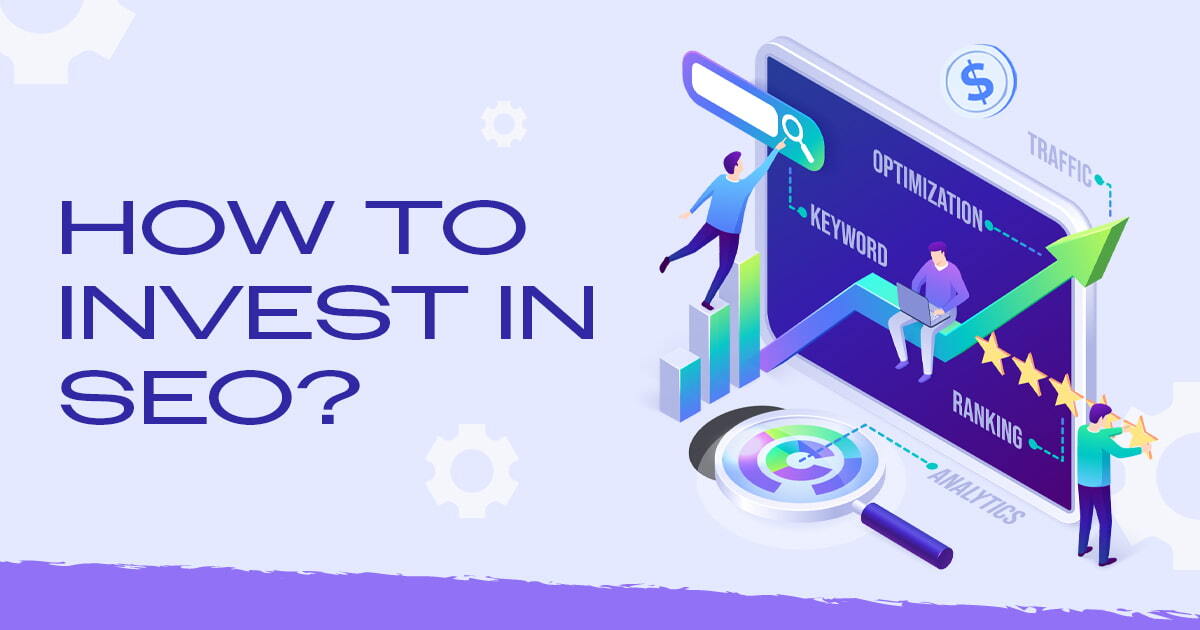
Investing in SEO is no longer optional—it’s one of the most reliable ways to build long-term, compounding growth for your business. Unlike paid ads that stop the moment you pause your budget, SEO continues to deliver traffic, leads, and revenue over time.
But here’s the reality: SEO is not a quick win. It’s a strategic investment that requires planning, patience, and the right allocation of resources. If done correctly, it becomes one of the highest ROI marketing channels you can build.
Let’s break down exactly how to invest in SEO the right way.
Investing in SEO means allocating time, budget, and resources to improve your website’s visibility in search engines. The goal is simple: generate consistent, high-quality organic traffic that converts into leads or sales.
This includes:
Unlike short-term marketing tactics, SEO focuses on building long-term authority and trust with both users and search engines.
The biggest advantage of SEO is predictable, recurring traffic. Once your pages rank, they can bring in visitors every day without additional ad spend.
This leads to:
SEO compounds. The more you invest strategically, the stronger your results become over time.
Many businesses fail with SEO not because it doesn’t work—but because they approach it incorrectly.
The most common mistakes include:
SEO is not about doing everything. It’s about focusing on what drives the highest impact.
Before spending a single dollar, define what success looks like.
Are you aiming for:
Your SEO strategy should align with business goals, not vanity metrics.
There are hundreds of ranking factors, but only a few truly move the needle. Instead of trying to optimize everything, focus on:
Prioritization is what separates successful SEO investments from wasted budgets.
Content is the backbone of SEO. But not just any content—your goal should be to create topical authority.
This means:
The more comprehensive your content strategy, the more trust you build with search engines.
Think of SEO like a portfolio. You need to distribute your investment wisely across different areas.
For example:
Over-investing in one area while ignoring others can limit your results. Balance is key.
SEO is not a monthly campaign—it’s a long-term growth engine.
Most strategies take:
Businesses that win with SEO are the ones that stay consistent.
If you’re not measuring results, you’re guessing.
Track:
Also, understand that SEO works alongside other channels. Attribution is rarely linear, so take a holistic view.
Search engines aim to deliver the best possible experience to users.
If your SEO strategy focuses on:
You naturally align with how search engines rank websites.
Not every SEO activity deserves equal investment.
Focus more on:
Spend less on:
The goal is sustainable growth, not temporary rankings.
SEO is a slow but powerful channel.
You can expect:
The longer you invest, the better the returns become.
Investing in SEO is about making smart, strategic decisions—not just increasing your budget.
If you focus on the right fundamentals, stay consistent, and track performance properly, SEO can become your most profitable marketing channel.
At ClapCreative, we help businesses turn SEO into a predictable growth engine. From building data-driven strategies to executing high-impact content and optimization, our focus is simple—deliver measurable ROI, not just rankings.
SEO and paid ads serve different purposes. SEO is a long-term investment that builds sustainable traffic, while ads deliver immediate results. The best strategy often combines both.
High-quality content combined with strong backlinks and proper optimization tends to deliver the best results. Focusing on user intent and authority is what drives long-term ROI.

A seasoned technology writer and marketing consultant with over a decade of experience helping businesses grow online. I specialize in content marketing, SEO, web design, and e-commerce development. I am enthusiastic about using cutting-edge technology to acquire high-quality traffic, generate leads, and increase sales for my clients.